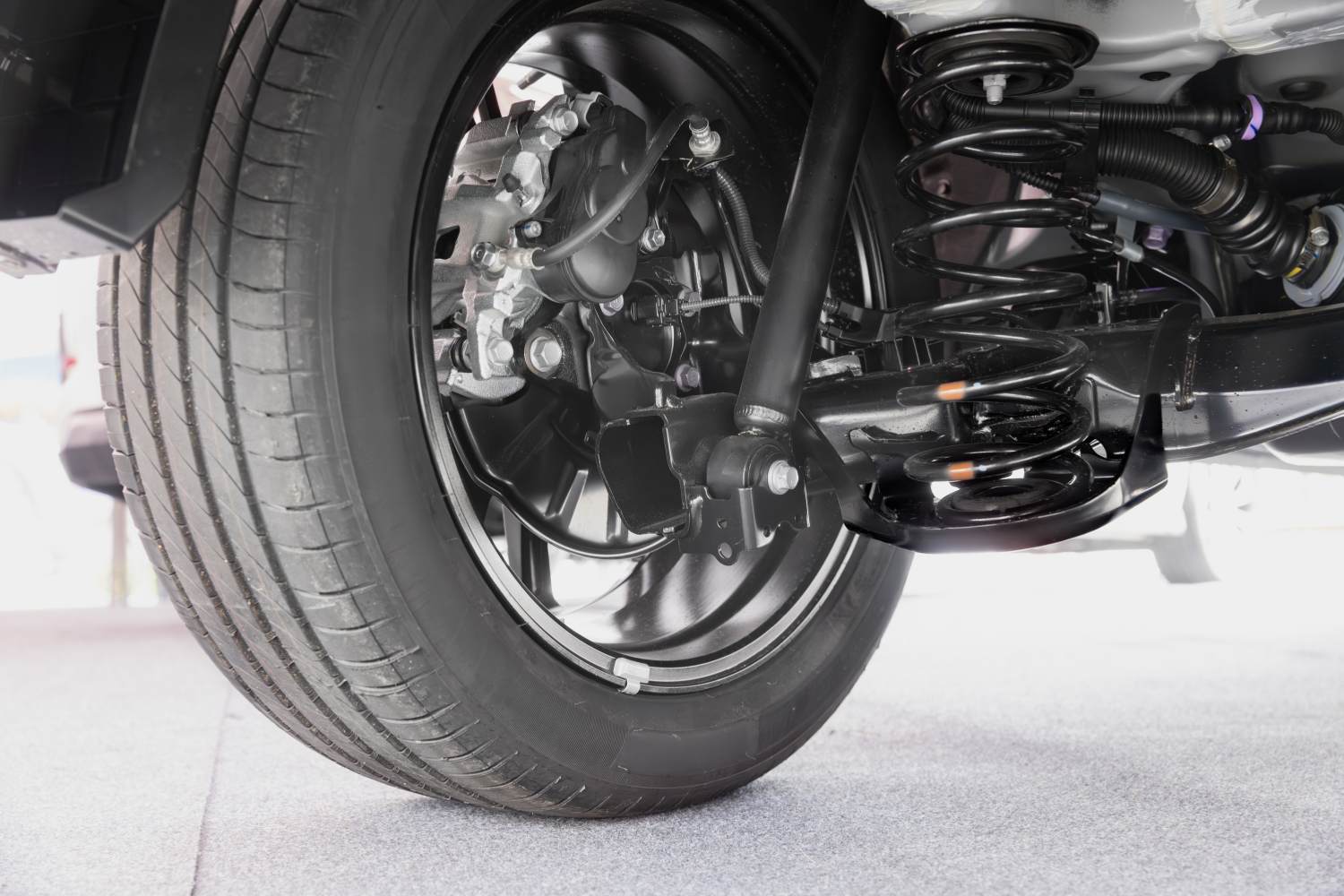
Is your car shaking at high speed a safety or comfort issue? 

Is your car shaking at high speed?
Most drivers feel the vibration first through the steering wheel, then through the seat, and sometimes through the whole cabin. It can start as a light tremor at 80 km/h and grow stronger as the speed rises. A car that shakes is telling you something important. The way a vehicle vibrates can reveal early signs of problems with wheels, tyres, suspension or braking.

A car should travel smoothly at any legal speed. When it does not, there is always a reason.

What shaking at speed usually means

High speed vibration comes from parts that spin. When one of those parts is out of balance or worn, the movement repeats with every rotation. As speed increases, the vibration becomes stronger.

The most common sources are:

Cause What it feels like Why it happens
Wheel balanceLight buzz through steeringTyre and rim weight not even
Bent rimStrong shake at a set speedImpact from potholes or kerbs
AlignmentPulling or driftingTyres fighting each other
Worn bushingsVibration on rough roadsExcess movement in suspension
Tyre defectsRhythmic shakeUneven wear or internal damage
These issues affect small cars, SUVs and 4x4s in similar ways. Larger tyres on 4x4s can make the shake stronger because of their size and weight.

How tyres and wheels create vibration

Tyres wear in patterns that reflect how the car is driven. Short trips, country roads, towing or carrying heavy loads all change the shape of the tyre over time. Even a good tyre can vibrate if the weight is not shared evenly around the wheel.

Signs the tyres may be the cause

  • uneven wear on the inner or outer edge
  • sawtooth or scalloped wear on tread blocks
  • vibration that changes on different road surfaces
  • shake that grows stronger after long driving
  • recent tyre rotation or new tyres fitted without rebalancing

How 4x4 setups influence vibration

Four wheel drive owners may notice stronger vibration when fitting larger tyres, running higher load ratings or adding a lift kit. These changes alter wheel angles and can bring on shake at speeds that felt smooth before. A workshop that understands both everyday cars and 4x4 setups can diagnose the difference quickly.

How brakes can cause shaking

Brake shudder is another common source of vibration. It usually happens when slowing down, but if the front brakes have uneven surfaces, the pulse can carry into high speed driving.

Common triggers include:

  • brake rotors worn unevenly
  • heat spots on rotors after heavy braking
  • pads that do not sit flat
  • rotors outside thickness limits
Although brake shudder feels different from wheel imbalance, many drivers mistake one for the other.

When vibration links to engine behaviour

Not every shake comes from the wheels. Engines can also set off movement that gets worse at speed.

Examples include:

  • rough idle that continues as the car accelerates
  • ignition coil misfires
  • poor fuel mix
  • engine mount wear
These problems often come with other clues such as a steady battery light, a drop in power or warning messages on the dash.

How noise helps diagnose the shake

Sound often reveals as much as vibration. For example:
Noise What it might indicate
Clicking when turningCV joint wear
Dull knock over bumpsWorn control arm bushings
Squeal that rises with speedTyre or bearing issue
Timing belt noiseBelt tension or wear
Low hum at steady speedWheel bearing beginning to fail
Overheating is not directly linked to shaking, but if a car vibrates and also runs hotter than normal, it can point to increased load on the engine on long highway trips in warm weather.

Why shaking is a safety issue

A car that vibrates at 100 km/h is not just uncomfortable. It may be unsafe.

High speed shake can lead to:

  • uneven braking
  • premature tyre wear
  • poor steering control
  • longer stopping distances
  • reduced grip in wet conditions
A car that shakes at high speed can also fail roadworthy checks because tyre condition, steering control and suspension movement are all assessed during inspection.

What drivers should do when a car shakes

  • reduce speed until the vibration settles
  • check tyre pressures when the car is cool
  • look for visible tyre or rim damage
  • avoid long trips until a mechanic inspects it
  • do not ignore vibration that gets worse over time
Shaking almost never fixes itself. It is a sign that something is wearing faster than it should.

How workshops diagnose vibration

A workshop like Service Plus Tyre & Auto works through the vibration step by step. This avoids guesswork and focuses on the source.
Typical checks include:
  • wheel balance and runout
  • tyre wear patterns
  • rim inspection
  • alignment check
  • suspension bushing assessment
  • brake rotor thickness and surface condition
  • road test to confirm the pattern
For 4x4s, mechanics also check:
  • lift kit angles
  • tyre size effects
  • wheel offset
  • steering geometry changes
This gives a clear picture of what is causing the shake and how to fix it.

High speed vibration is a message worth listening to

Cars shake for a reason. Whether the cause is a tyre, a wheel, a worn suspension part or a brake issue, vibration gives an early warning about the condition of the vehicle. Workshops in Wallan see many of these issues because local drivers cover a mix of freeway and country roads that can wear tyres and suspension faster than expected. A smooth car is a safe car. When shaking starts, a quick inspection can prevent bigger problems on the road.

© Copyright Service Plus Tyre & Auto Centre 2026

Website By CJ Digital