
If you’re replacing tyres on your ute or 4WD, the biggest decision isn’t brand or price. It’s category. Highway-terrain and all-terrain tyres are built for different jobs, and picking the wrong one means you’re either paying for grip you don’t use or missing it when you need it most. For drivers around Wallan and Mitchell Shire – where a typical week might include the Hume Freeway, a gravel back road, and the odd fire trail – the choice matters more than you’d think.
Here’s how the two main tyre categories compare, plus a quick look at mud-terrains for anyone who spends serious time off the beaten track.
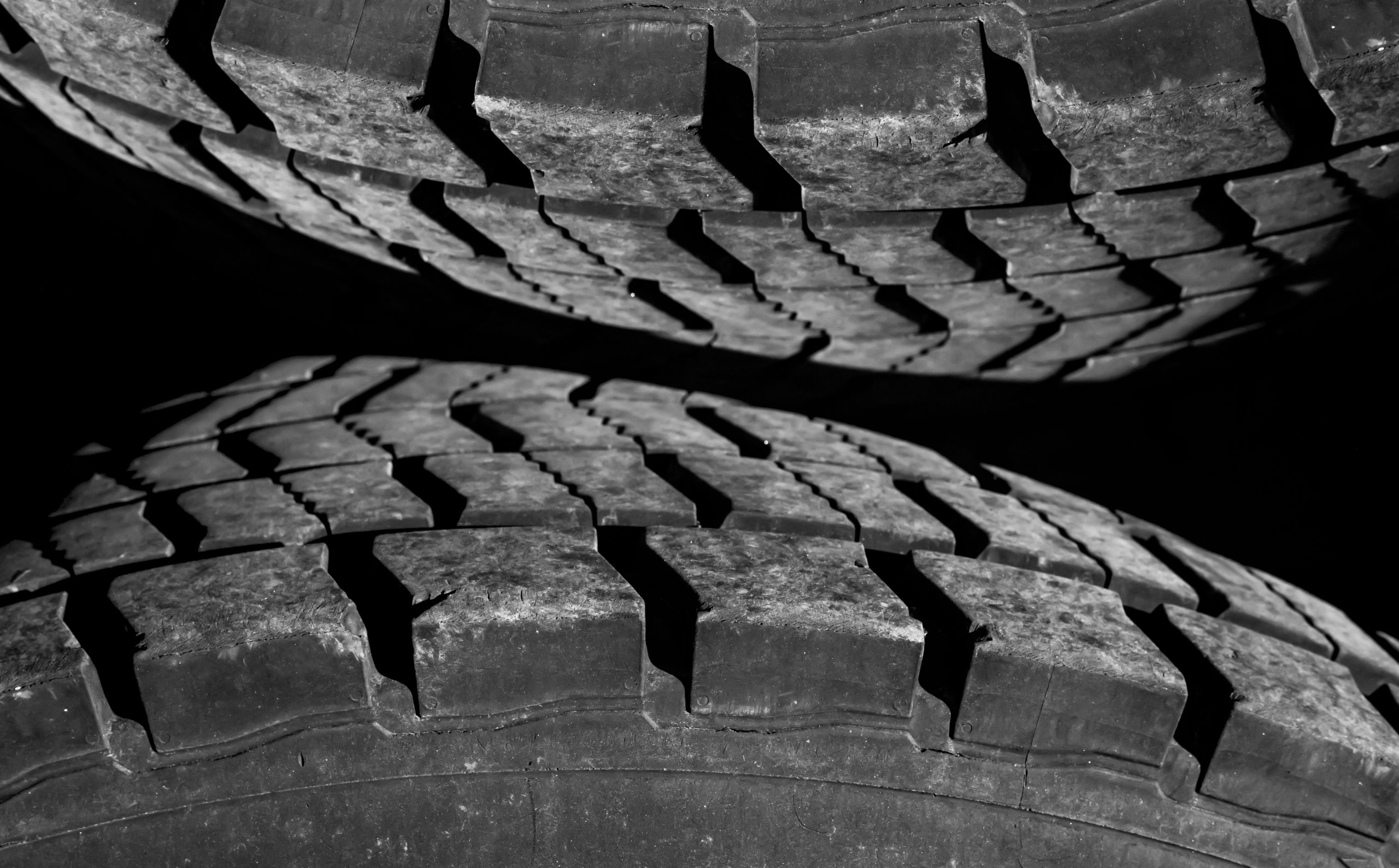
Highway-terrain tyres: built for sealed roads
Highway-terrain (HT) tyres come standard on most new SUVs and utes. They have a tighter tread pattern with smaller blocks and shallower grooves, which means more rubber stays in contact with the road. That translates to a quieter cabin, better fuel economy, and longer tread life on bitumen.
HTs handle wet conditions well too. The closely spaced grooves channel water away from the contact patch effectively, reducing the risk of aquaplaning in heavy rain.
Where they fall short is anything beyond a well-maintained gravel road. The softer compound and shallow tread aren’t designed for rocks, mud, or loose surfaces. If you’re regularly driving unsealed roads, an HT tyre will wear unevenly and won’t give you much confidence when conditions get rough.
All-terrain tyres: the versatile middle ground
All-terrain (AT) tyres sit between highway-terrains and mud-terrains. They have larger tread blocks, deeper grooves, and reinforced sidewalls built to handle gravel, dirt, sand, and light mud without giving up too much on-road comfort.
The trade-off is real, though. ATs are noisier at highway speeds – the bigger tread blocks create more road noise, especially above 100 km/h. They also produce more rolling resistance, which means a small hit to fuel economy. On a Ranger or HiLux doing 30,000 km a year, that can add up over the life of the tyre.
Modern ATs have improved significantly. The gap in on-road comfort between a quality AT and an HT has narrowed, and tread life on premium options is now comparable to highway tyres. Both categories typically last somewhere between 60,000 and 80,000 km depending on driving conditions and how well they’re maintained.
What about mud-terrain tyres?
Mud-terrains (MTs) are purpose-built for serious off-road work. They have the most aggressive tread pattern of the three, with large lugs and wide voids designed to bite into mud, clay, and loose rock.
On sealed roads, MTs are loud, wear faster, and increase your fuel bill noticeably. They also perform poorly in wet conditions on bitumen because less rubber contacts the road surface.
Unless you spend more time off-road than on it, MTs are usually overkill. For most drivers around Wallan, an AT covers the same ground without the daily compromises.
How the three compare at a glance
| Highway-terrain (HT) | All-terrain (AT) | Mud-terrain (MT) | |
|---|---|---|---|
| Road noise | Quiet | Moderate – noticeable above 100 km/h | Loud |
| Fuel economy | Best | Slightly worse than HT | Noticeably worse |
| Tread life on bitumen | 60,000–80,000 km | 60,000–80,000 km (premium) | Shorter |
| Off-road grip | Minimal | Good on gravel, dirt, sand, light mud | Excellent on mud, rock, clay |
| Wet road performance | Strong | Moderate | Poor |
| Sidewall strength | Standard | Reinforced | Heavy-duty |
| Best suited for | 90%+ sealed roads | Mixed sealed and unsealed | 50%+ off-road |
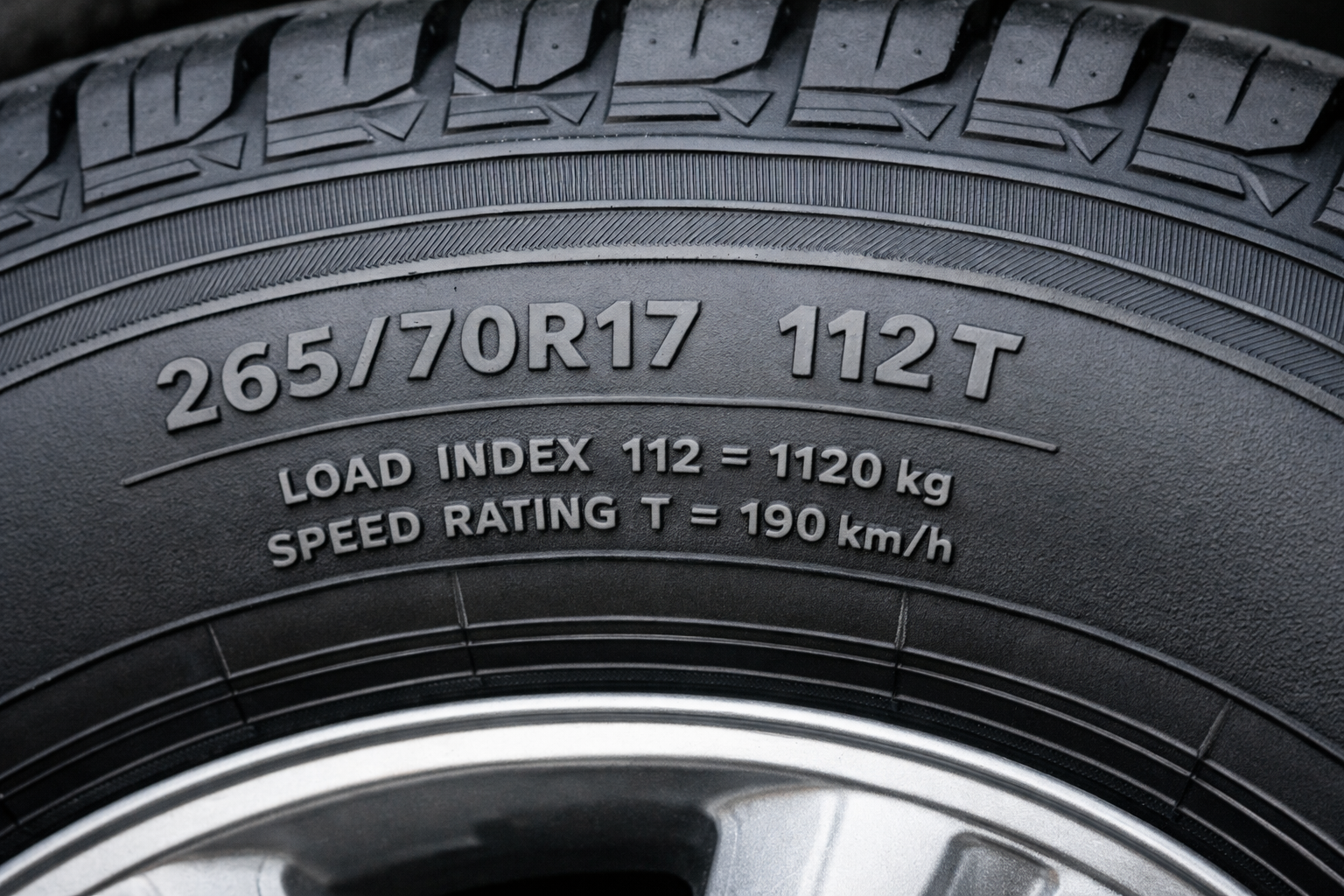
Load ratings and speed ratings: what the sidewall numbers mean
When you’re driving a ute or 4WD – especially if you tow or carry loads – the numbers on the sidewall matter as much as the tread pattern.
Every tyre has a load index and a speed rating stamped next to the size. A marking like 265/70R17 112T tells you two things beyond the size: 112 is the load index (1,120 kg per tyre), and T is the speed rating (190 km/h).
Load index is the maximum weight each tyre can safely carry when properly inflated. If you’re loading a tray with tools, camping gear, or a trailer’s worth of weight on the ball, your tyres need a load rating that covers the vehicle’s gross mass – not just its kerb weight. Your vehicle’s tyre placard, usually on the driver’s door jamb or inside the fuel filler cap, lists the minimum load index your tyres must meet.
Speed rating is the maximum speed the tyre can sustain under load. For 4WDs in Australia, the legal minimum is N (140 km/h). Most AT tyres carry an S (180 km/h) or T (190 km/h) rating, which is plenty for highway driving.
The key rule: never fit tyres with a lower load or speed rating than what’s listed on your placard. Going higher is fine. Going lower is unsafe and illegal.
How Wallan driving conditions affect your choice
If you’re mostly commuting on sealed roads with the occasional gravel shortcut, highway-terrain tyres do the job well and save you money on fuel and replacement costs.
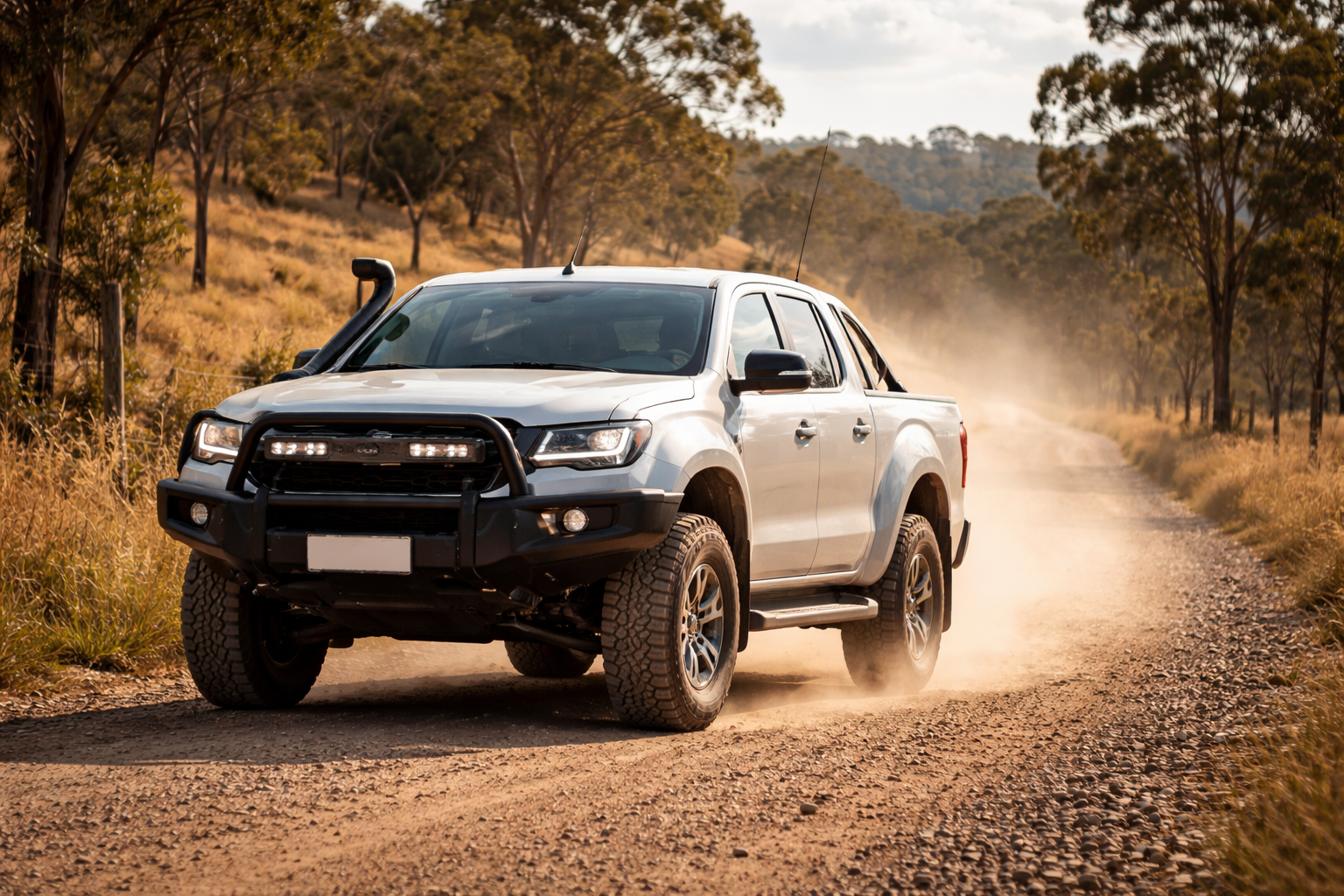
If you regularly drive unsealed roads, tow on mixed surfaces, or head off on weekends to tracks and campsites, all-terrain tyres give you the grip and sidewall strength to handle it without hesitation.
A straightforward way to decide: think about how you use your vehicle 80% of the time. That’s the driving your tyres should be built for.
Which tyres suit your vehicle?
Not sure whether highway-terrain or all-terrain is the right call for your ute or 4WD? Bring it into Service Plus on High Street in Wallan and we’ll recommend the right fit based on how you drive and what you carry.

